From Church Bells to Computer Pumps: The Everlasting Commitment of Hook Norton’s Firefighters
After welcoming the local brigade for essential training exercises at the brewery, Hook Norton Brewery’s Managing Director and former firefighter, James Clarke, reflects on how firefighting has changed since 1896—and why the crew’s dedication remains exactly the same.
Hook Norton has had an organised Fire Brigade since 1896. Prior to that, responsibility for fire protection in rural communities often fell to the Church. Somewhere between 1725 and 1735, St Peter’s Church acquired a Richard Newsham manual fire engine. This was a corridor-type appliance with a positive displacement pump, operated by handles on each side, which would have required six to eight men to pump. It had a brass nozzle fixed to the top of the pump, and the fire hose was made of leather. Also kept with the fire engine was a large metal hook on a long wooden pole, used for removing burning thatch. Whilst the village possessed this fire engine, there was no formal brigade, and they relied entirely on volunteers being alerted by the ringing of the church bells.
As a result of legislative changes and the need to formalise firefighting arrangements, responsibility eventually passed to local authorities – Parish, District, Borough, and City Councils. Hook Norton Parish Council formed the Hook Norton Fire Brigade under the leadership of Captain Harris. A new fire engine was purchased: a Shand Mason horse-drawn, manually operated fire pump. In 1928, Captain Harris retired, and Bill Clarke took over as Captain. He led a campaign to acquire a motorised fire appliance, and following successful fundraising and Parish Council support, a Merryweather Hatfield trailer pump was bought. This was towed to fires by any suitable vehicle available at the time.
In 1941, the Fire Service in the UK was nationalised, and few records exist from the wartime period. Post-war, a new fire station was built in Hook Norton, and a wartime Fordson fire engine with a rebuilt post-war body entered service. The major change at the time was that fire engines began to be built with larger water tanks, which were essential for effective firefighting in rural areas where mains supplies and fire hydrants were not always available.
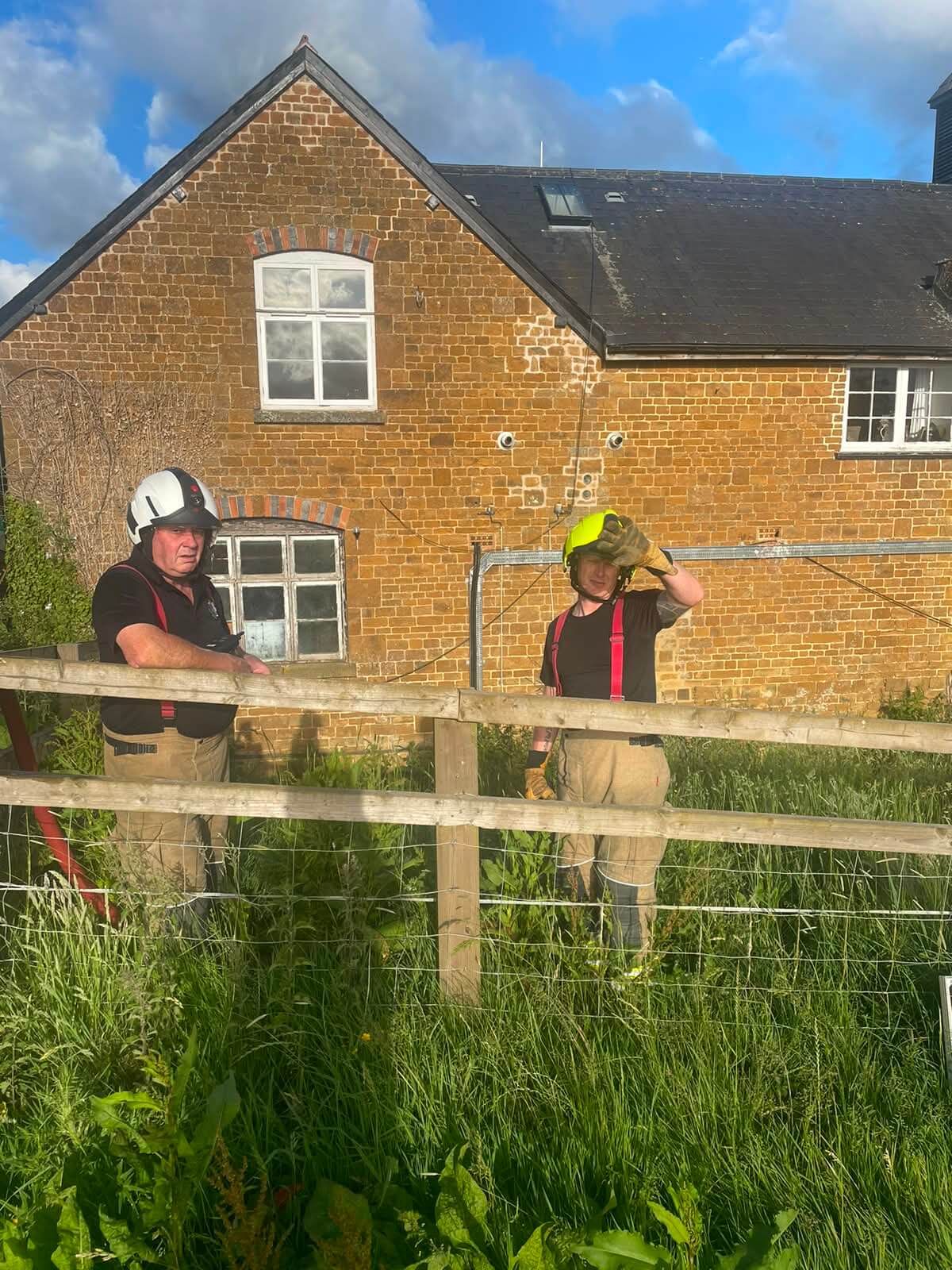
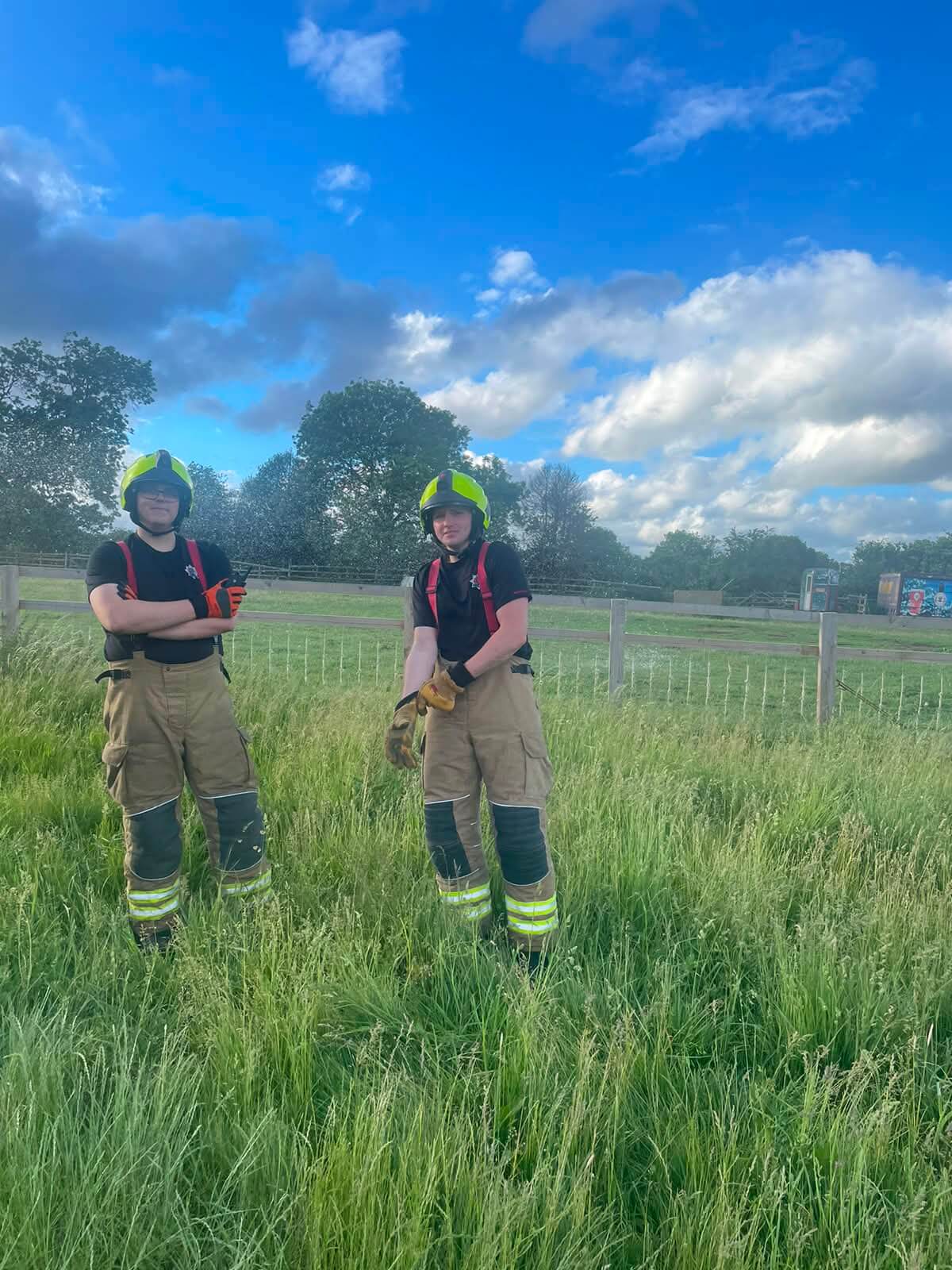
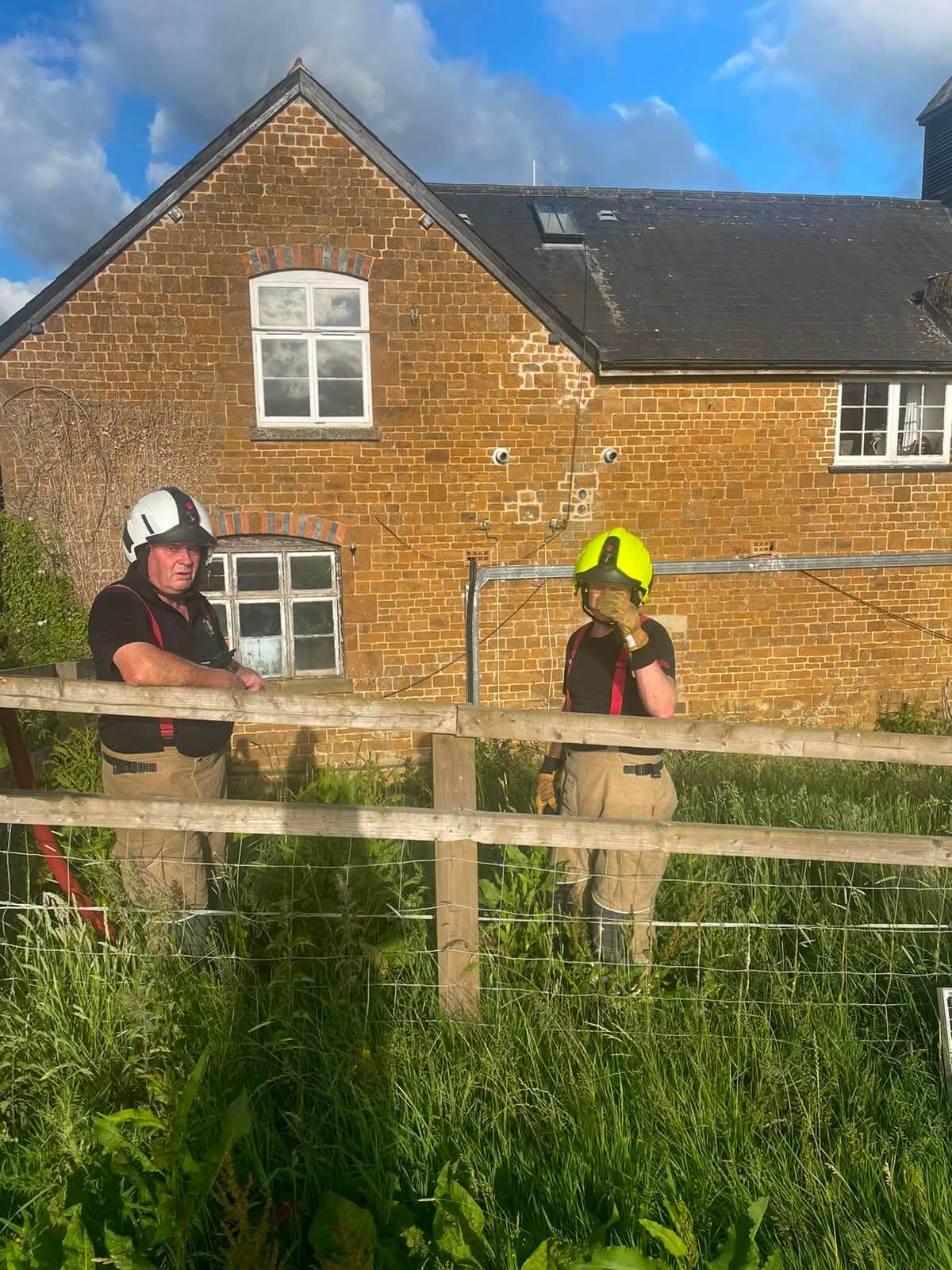
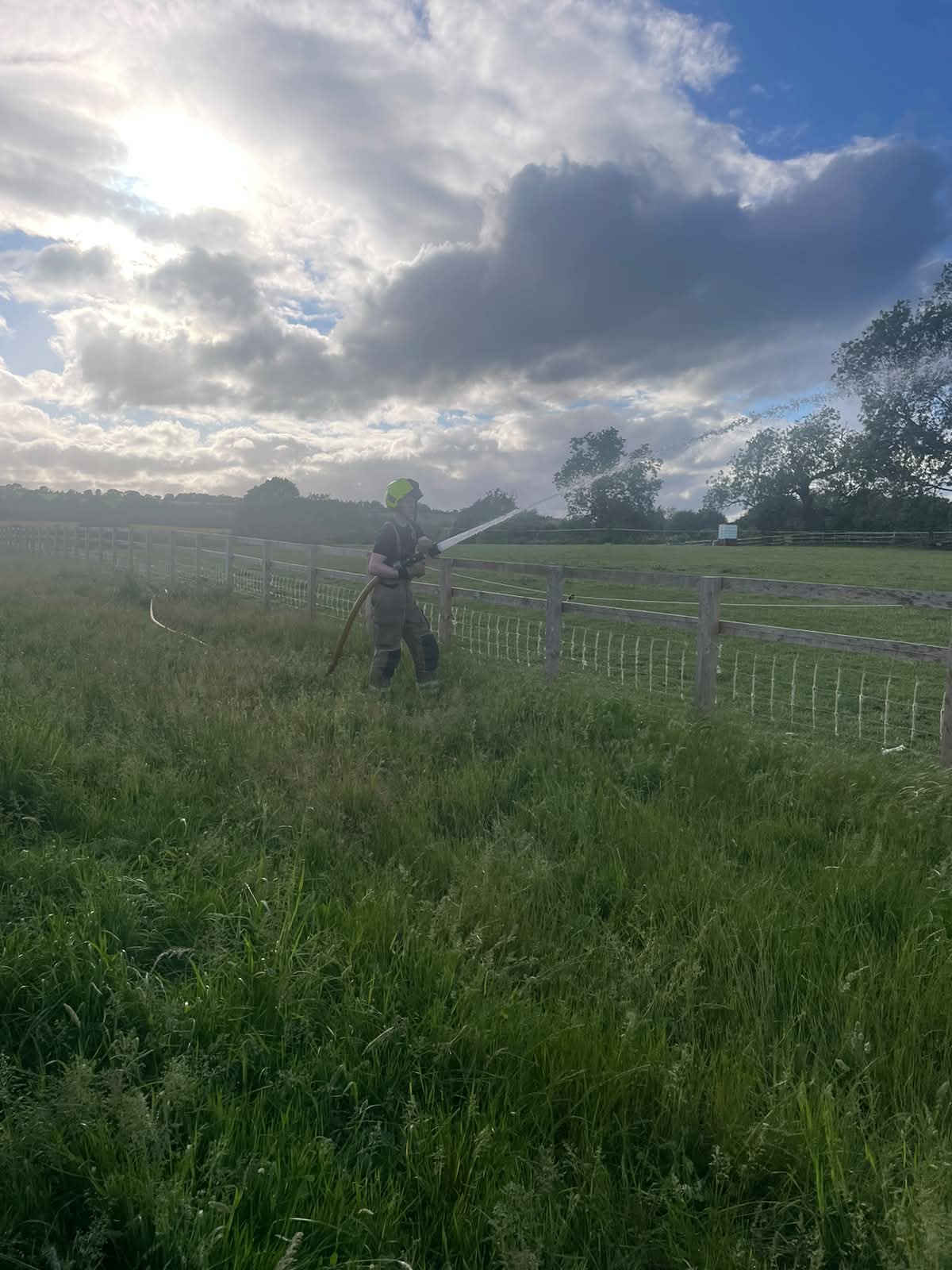
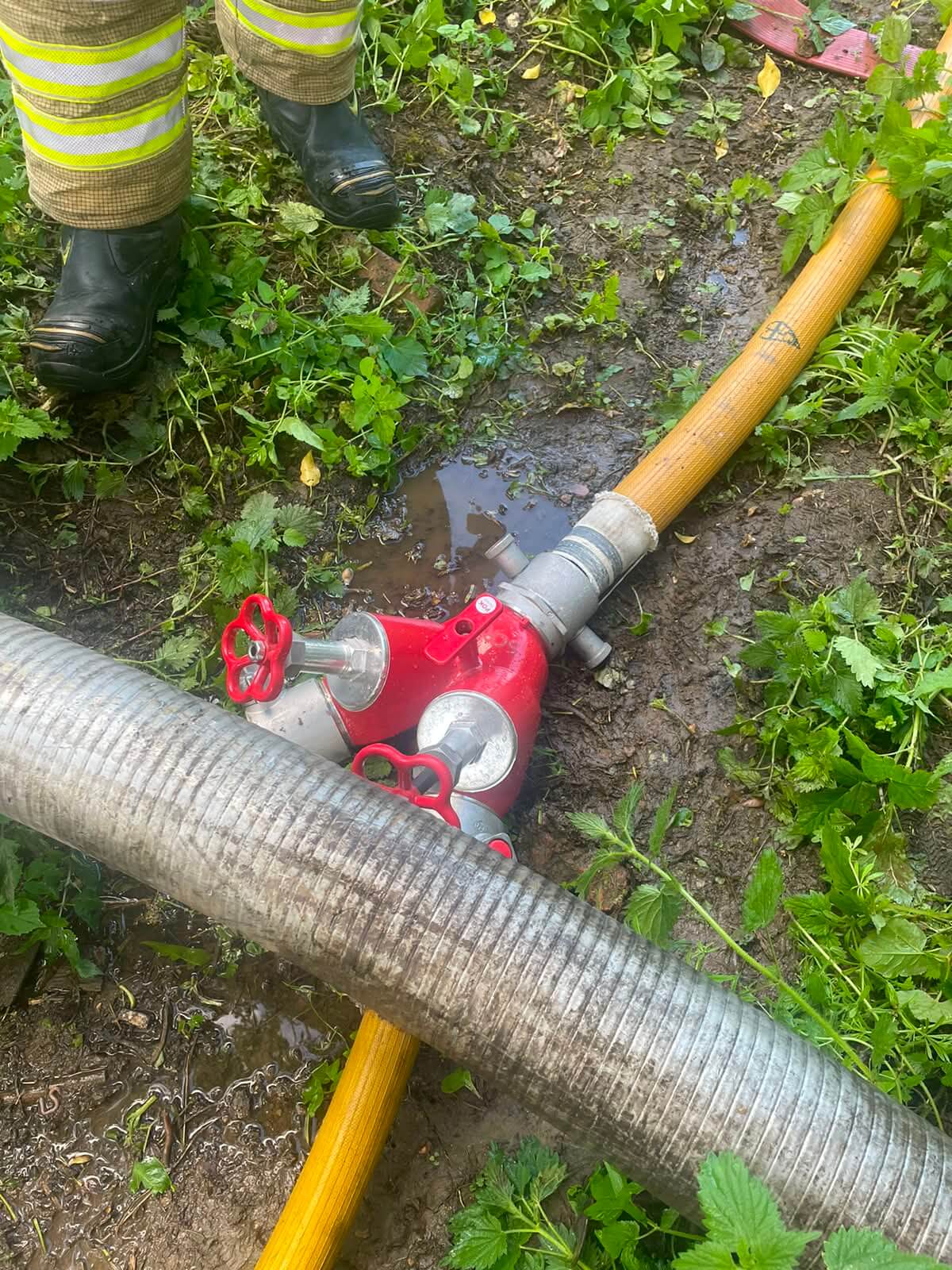
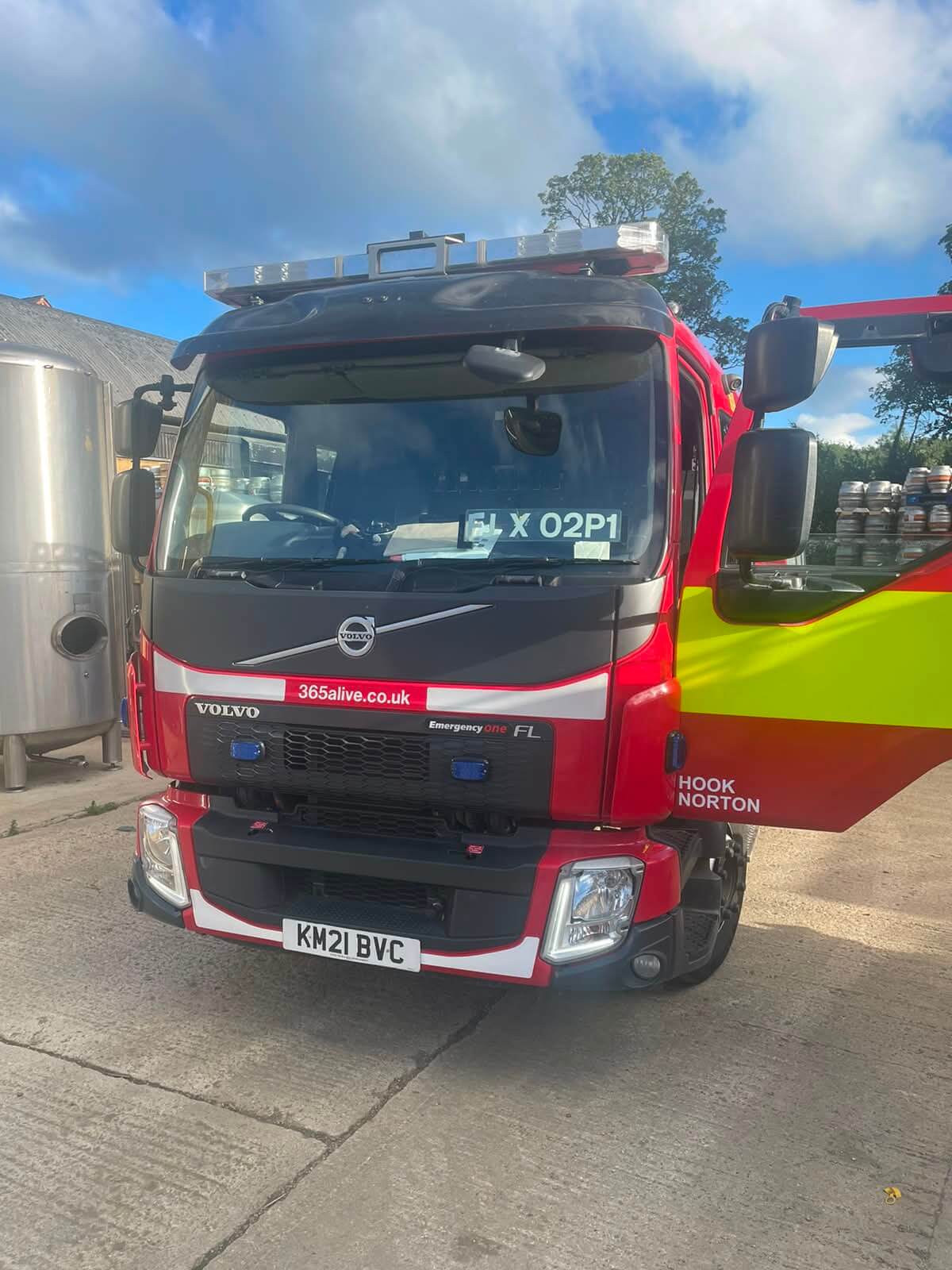
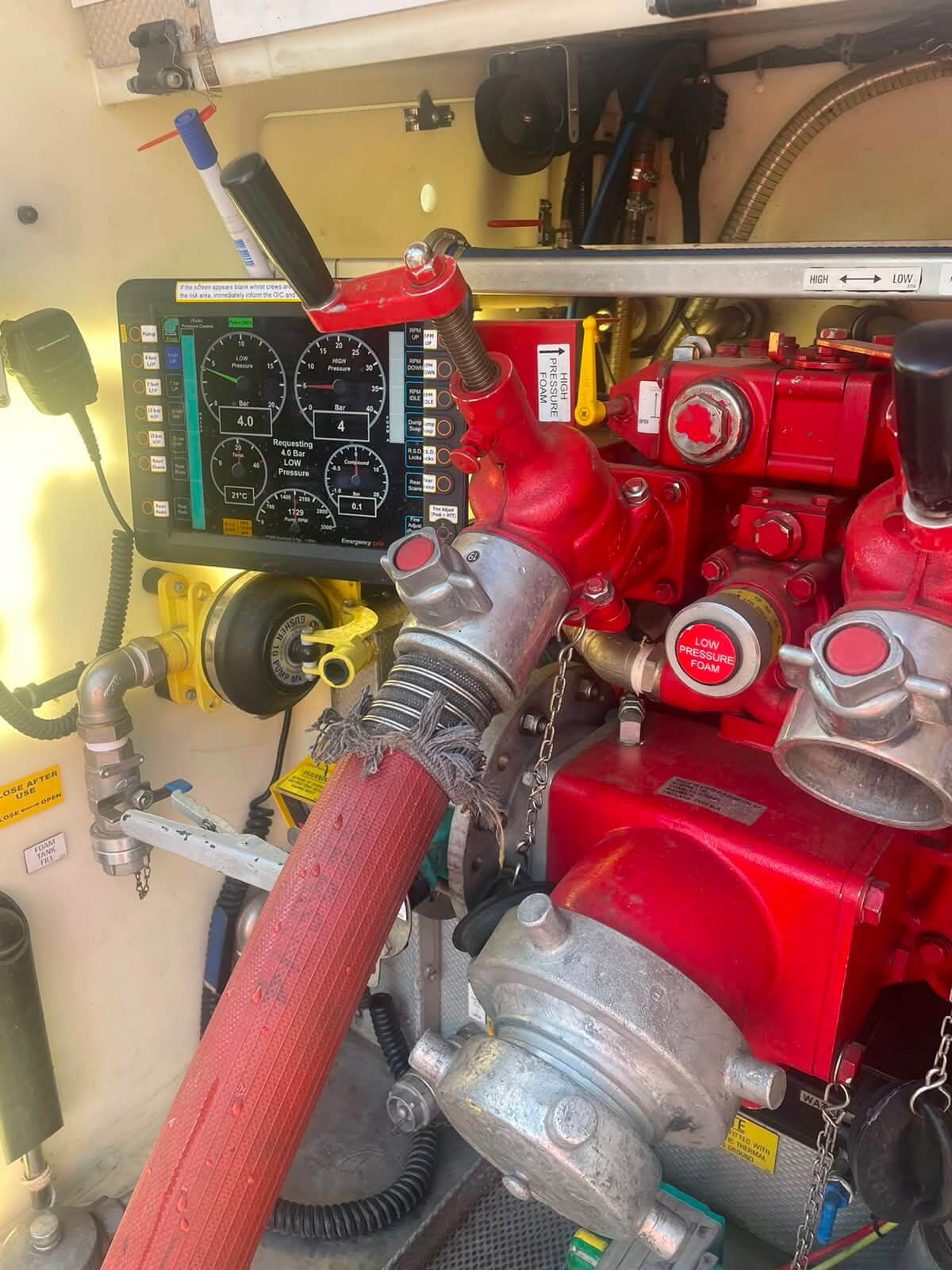
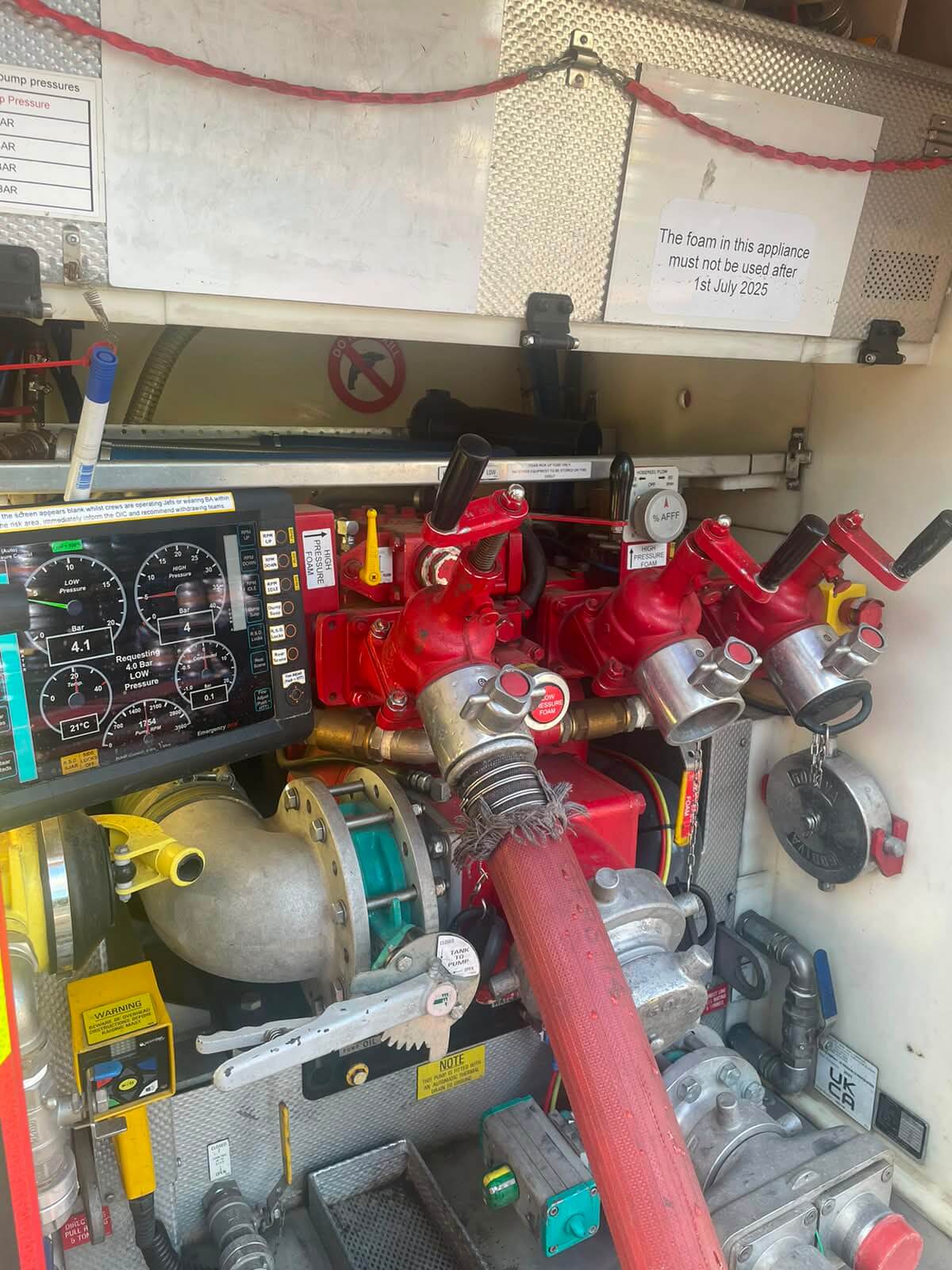
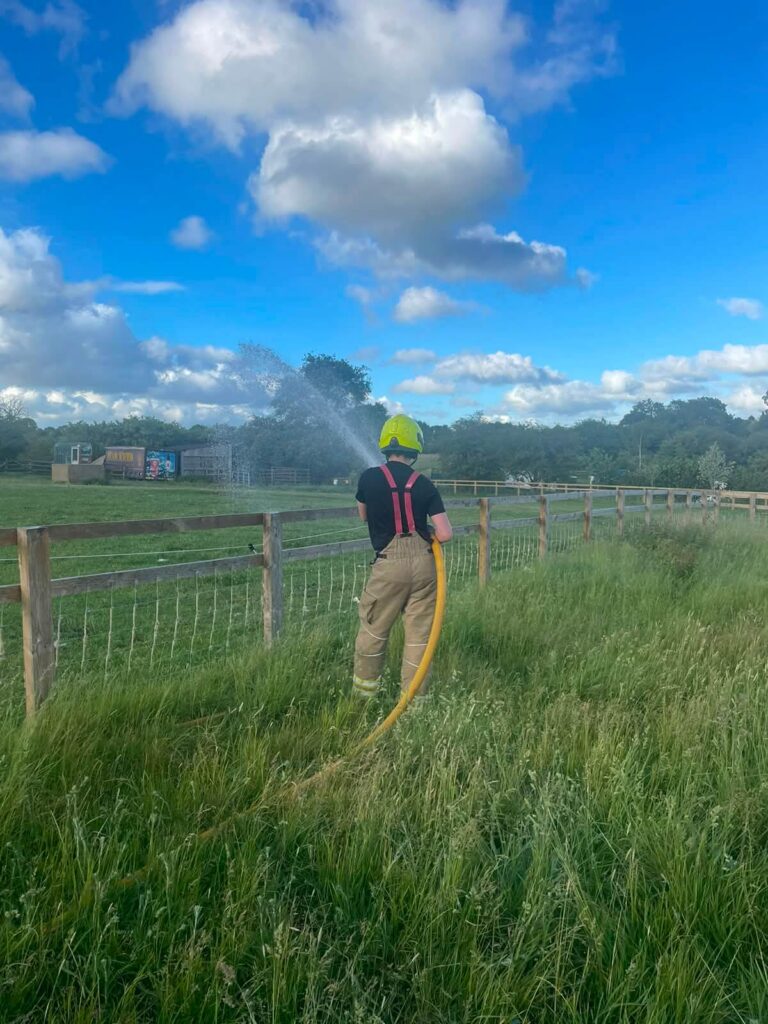
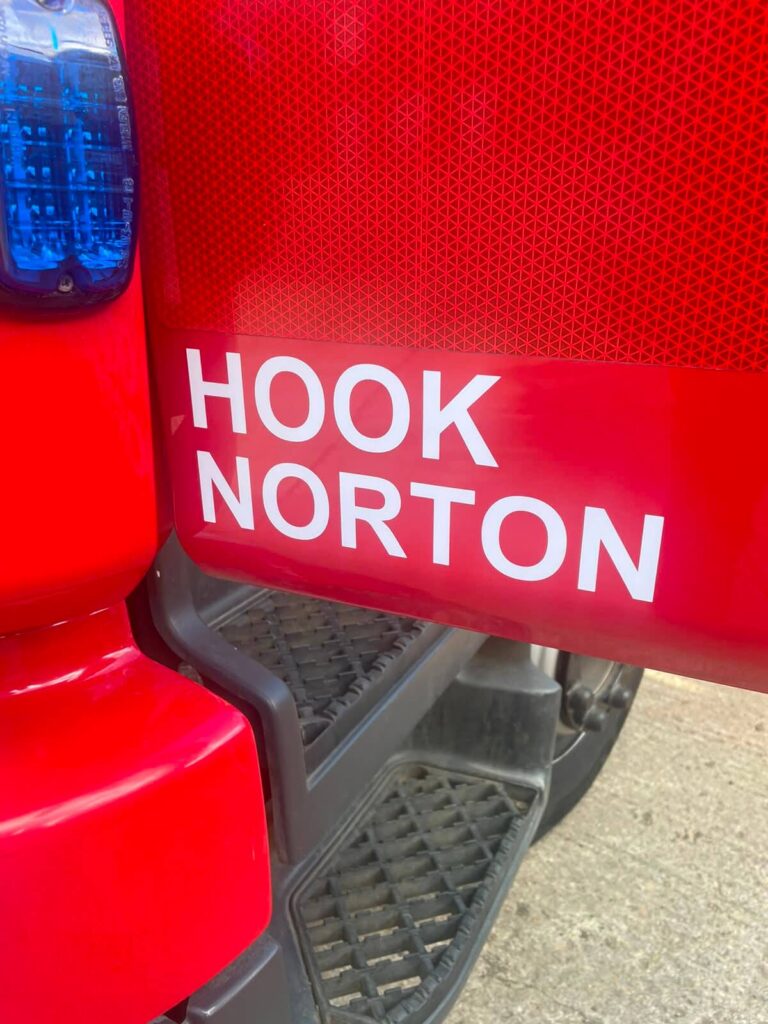 Roll on to 2026. We have always enjoyed a good relationship with the local fire service, and they recently came to the brewery to undertake some pumping drills. We maintain underground water supplies in case of fire, which proved essential when we suffered a fire at the stables in 2024. The drills involved pumping water from these supplies and delivering it along lengths of hose, helping the crew understand how much hose is needed to reach all areas, and what additional resources might be required should an incident occur. So, while the modern Volvo fire engine may be state-of-the-art—with a computer-controlled pumping system able to deliver large quantities of water—it is very different to Richard Newsham’s design. Yet, it remains just as important that the crew know how to operate it safely and effectively. These are crews who are prepared to be summoned from work, from home, or from bed to answer that emergency call when it comes. Times may change, but the purpose and commitment fundamentally do not. It’s a bit like Hooky, really.
We raise a glass to all emergency responders across the country and the globe: people who are prepared to run towards danger when we run the opposite way, and people who bring not just professional help, but compassion and calm to challenging situations.
Your efforts are herculean, and we all thank you.